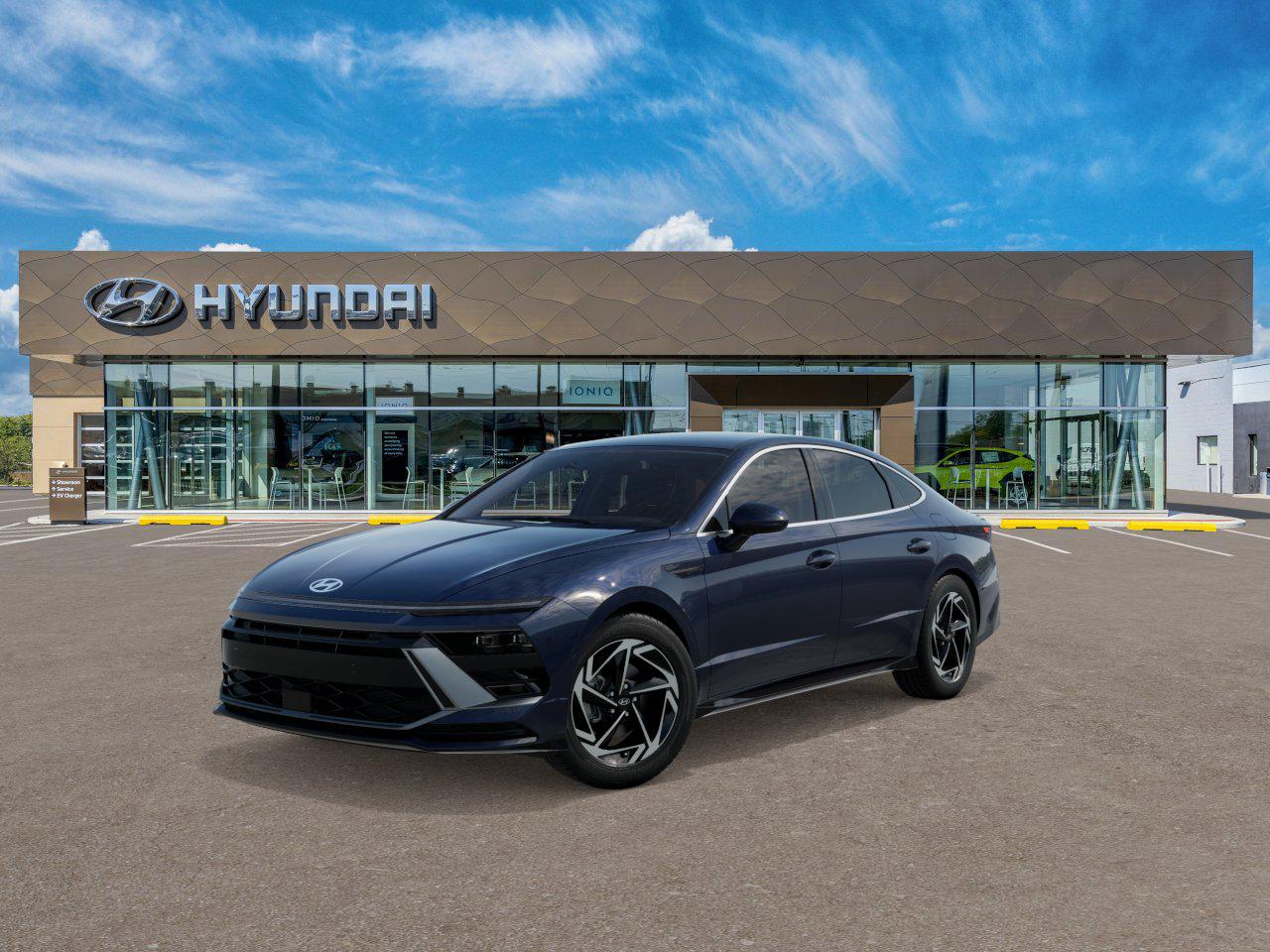
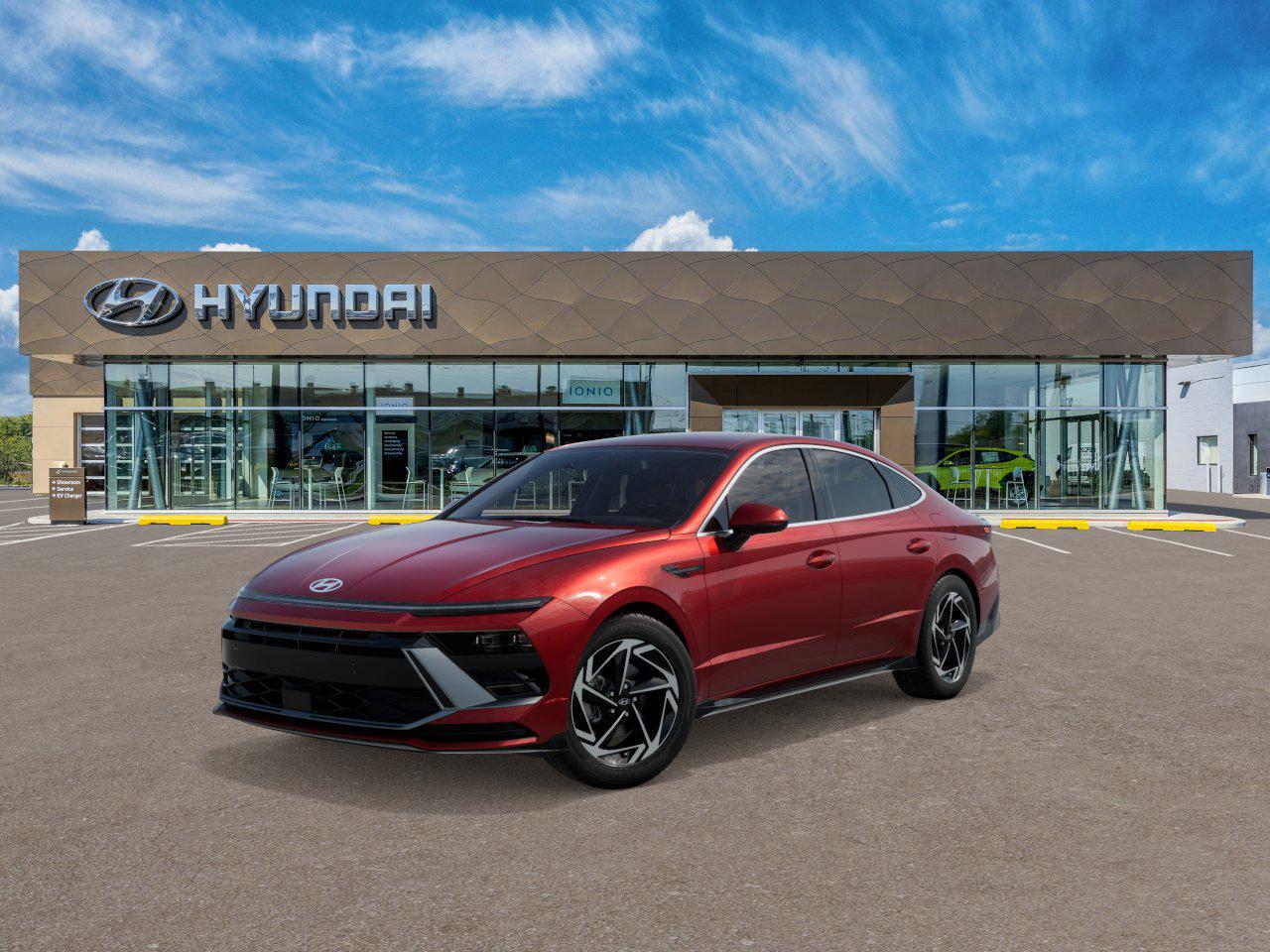
New Hyundai Sonata for Sale in Lumberton, NC
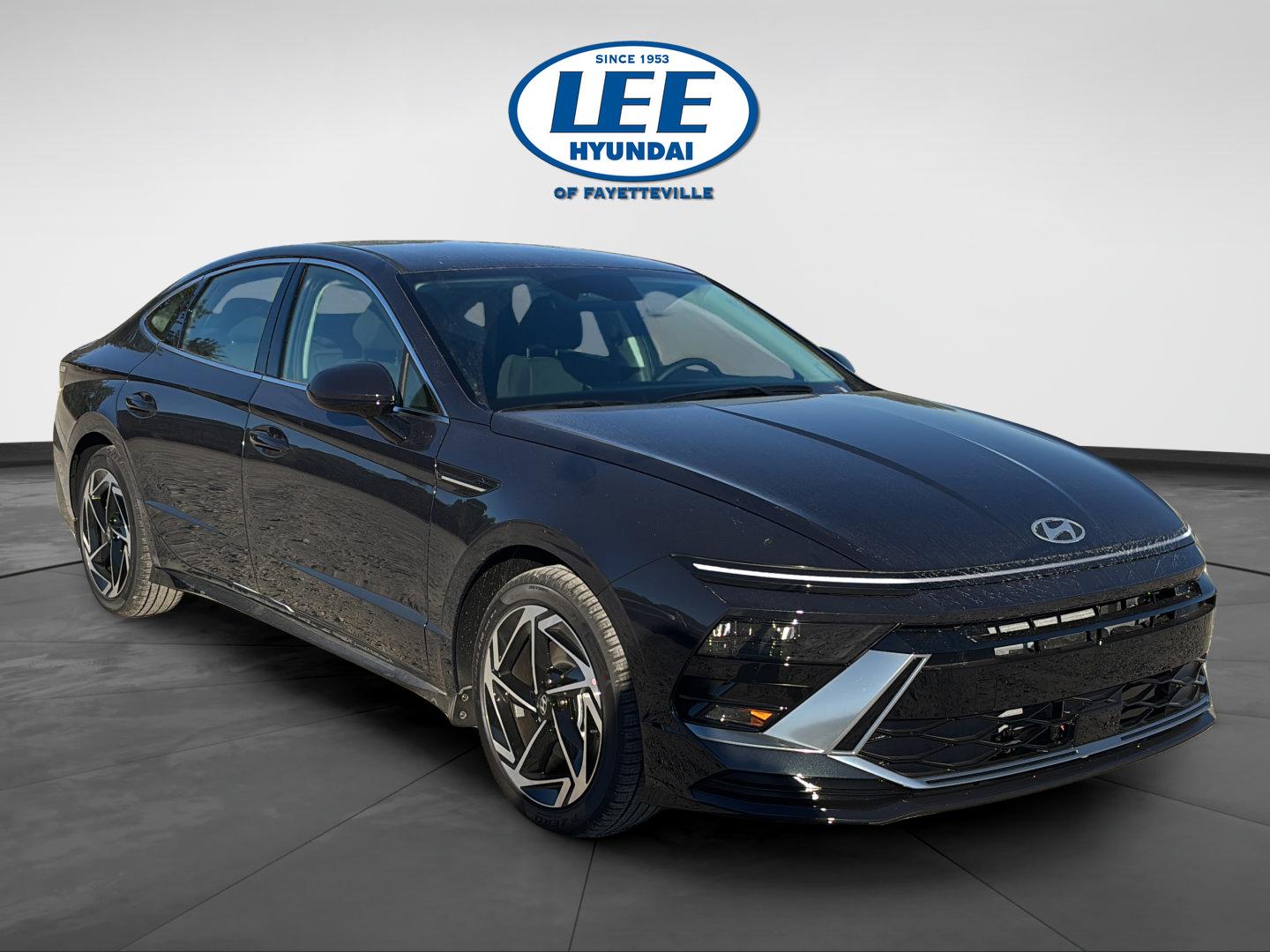
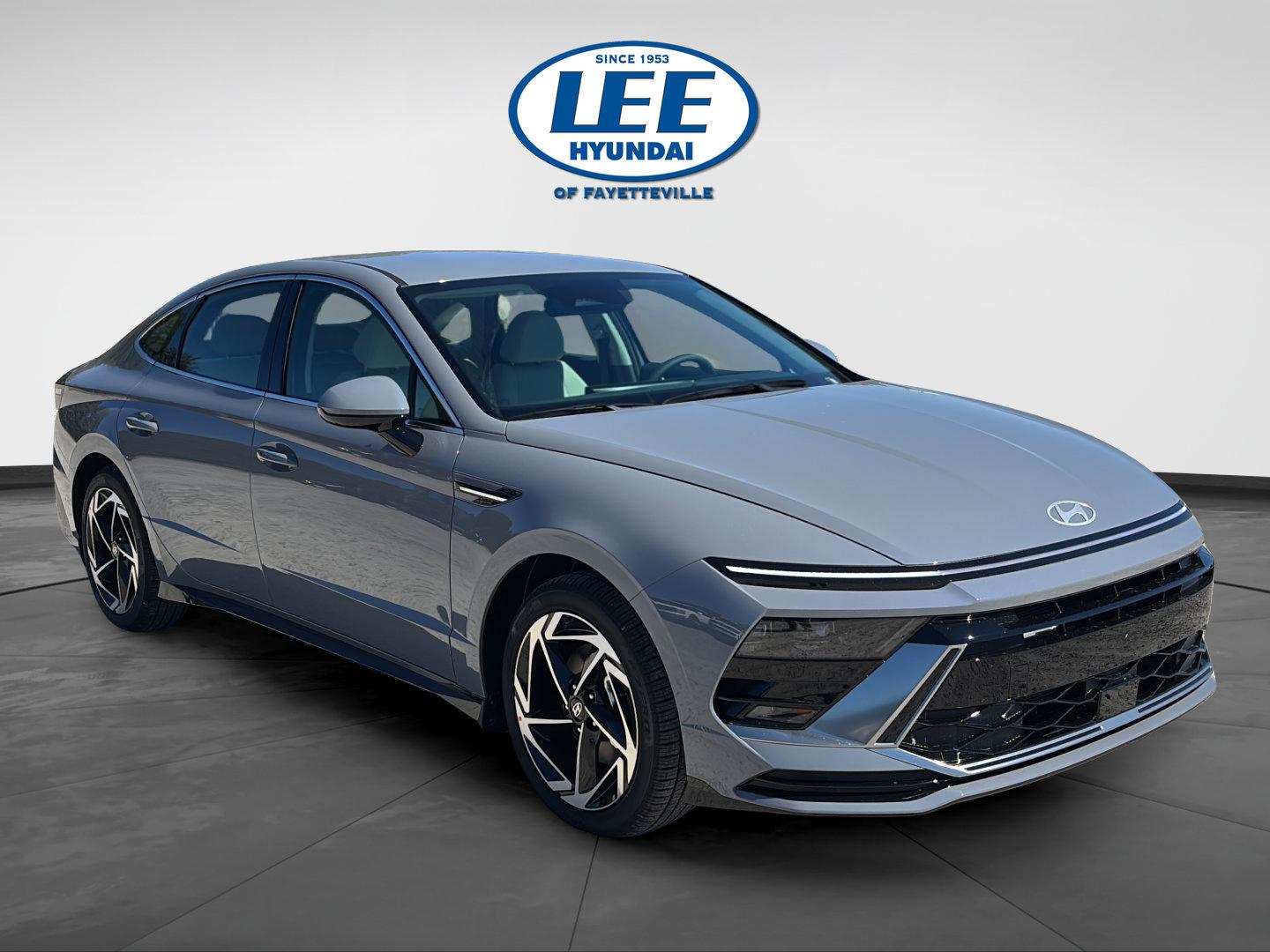
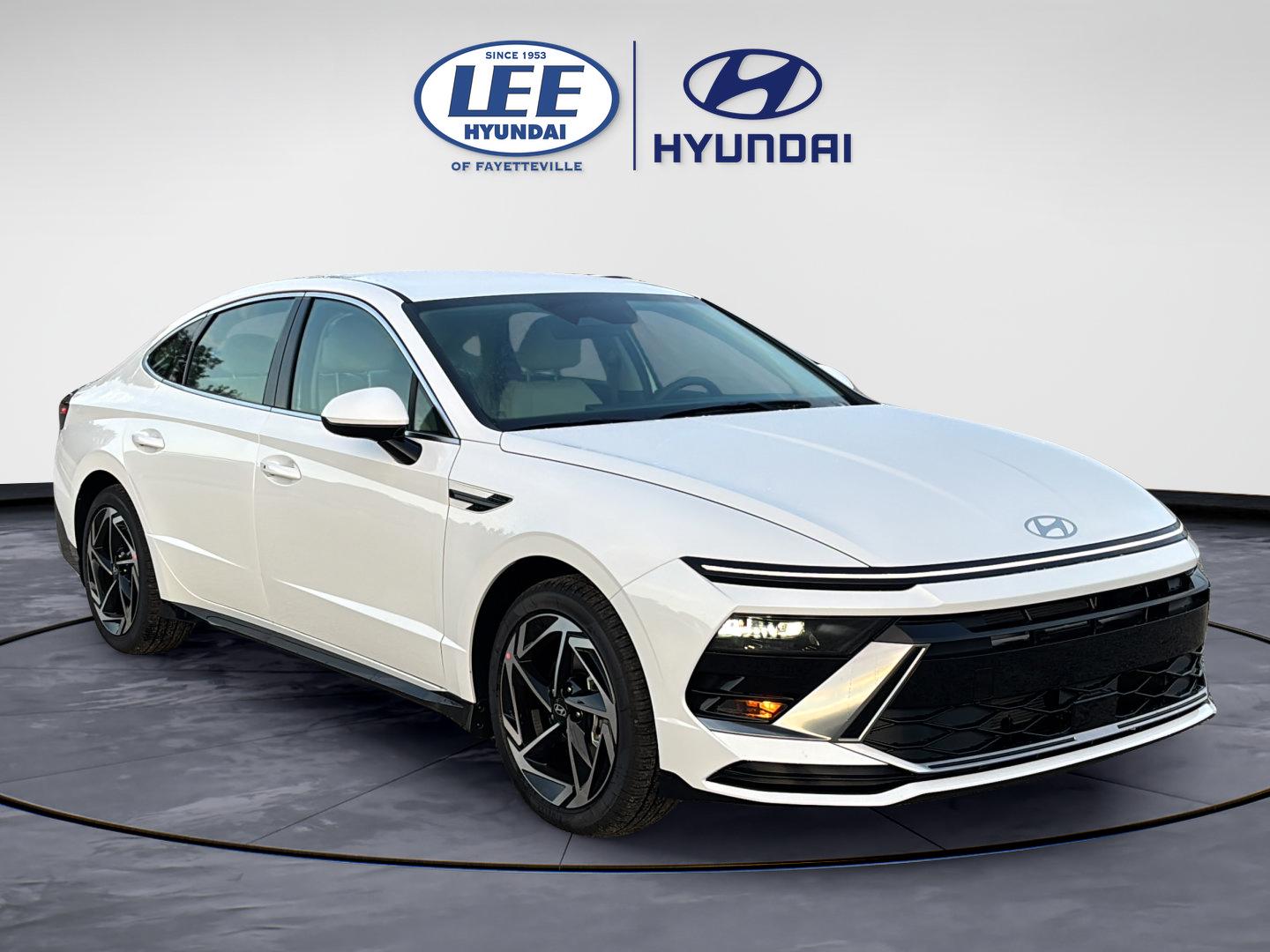
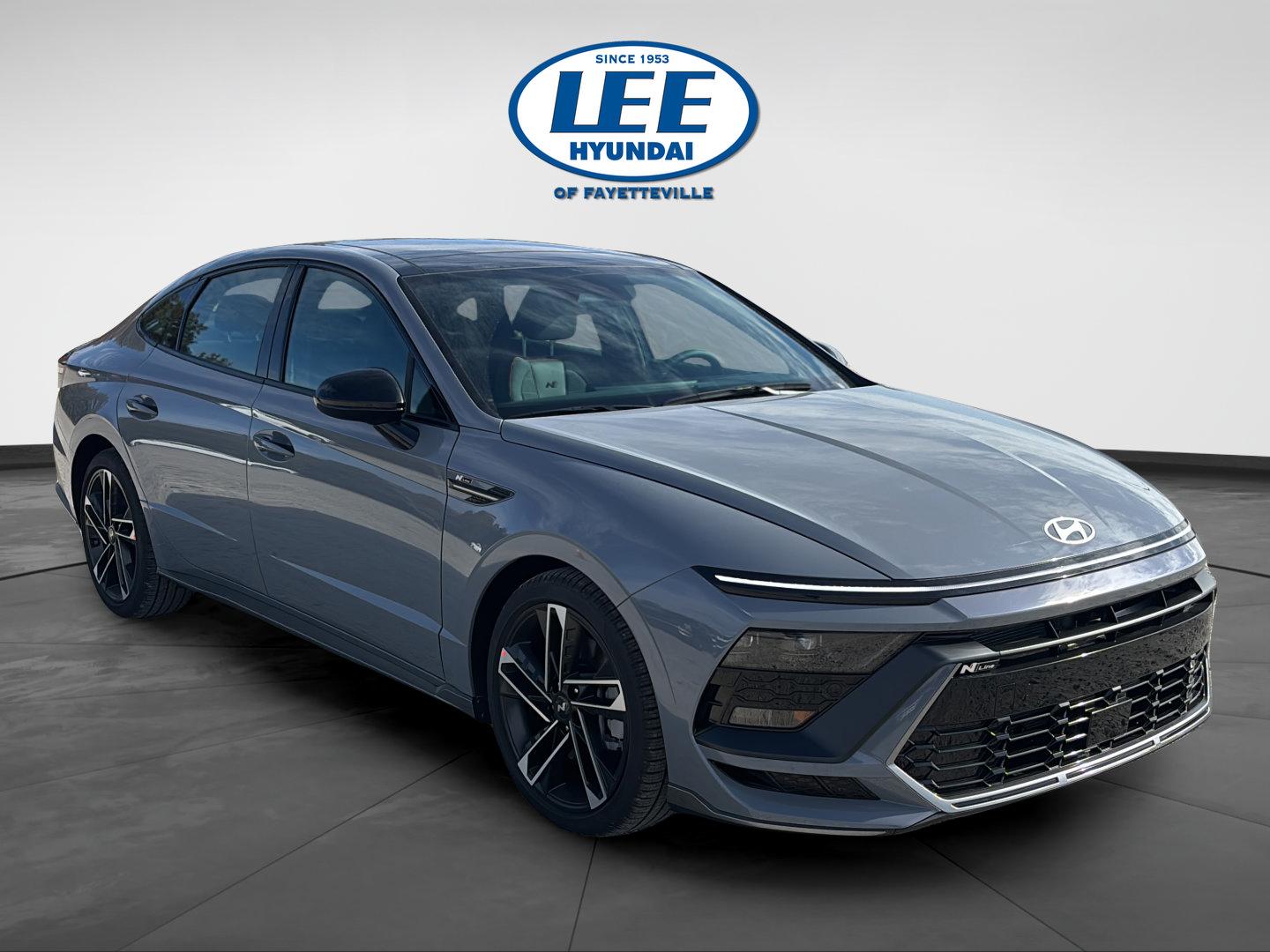
Frequently Asked Questions About New Hyundai Sonata in Lumberton, NC
What should I do if I feel drowsy driving home after a night shift?
Pull over somewhere safe and well lit and take a short nap before continuing, since an open window or louder music only helps briefly. Some workers arrange a ride after especially long stretches and collect the car later.
How well can I see on dark roads in a Sonata?
Hyundai fits LED headlights on many Sonata versions, and some add high beam assist, which switches between high and low beams automatically. Keeping the windshield clean inside and out also cuts glare from oncoming traffic noticeably.
Is the Sonata cabin quiet enough to unwind in after a long shift?
Sedans generally keep wind and road sound out of the cabin better than many taller vehicles, and the Sonata is tuned for a calm ride. Take part of your test drive on rougher pavement to judge the noise level yourself.
Can service appointments work around a rotating shift schedule?
Booking well ahead gives you the widest choice of early or late slots. Many routine items, such as oil changes and tire rotations, are quick enough to fit into a single morning between sleep and errands.
Which features help when backing out of a dark parking lot?
Every new Sonata has a rearview camera, and many versions add parking sensors or alerts that warn of vehicles approaching from the side. Wipe the camera lens regularly, since road grime makes the image harder to read at night.
Have Additional Questions?
Which shift do you work most often: days, evenings or overnight?
An overnight nurse leaving at dawn and a swing-shift worker heading home near midnight face different light, traffic and fatigue.
Share yours, and Lee Hyundai of Fayetteville can line up a Sonata test drive at a matching hour so you judge the car in the right conditions.
A Sedan for Hours When the Town Is Asleep
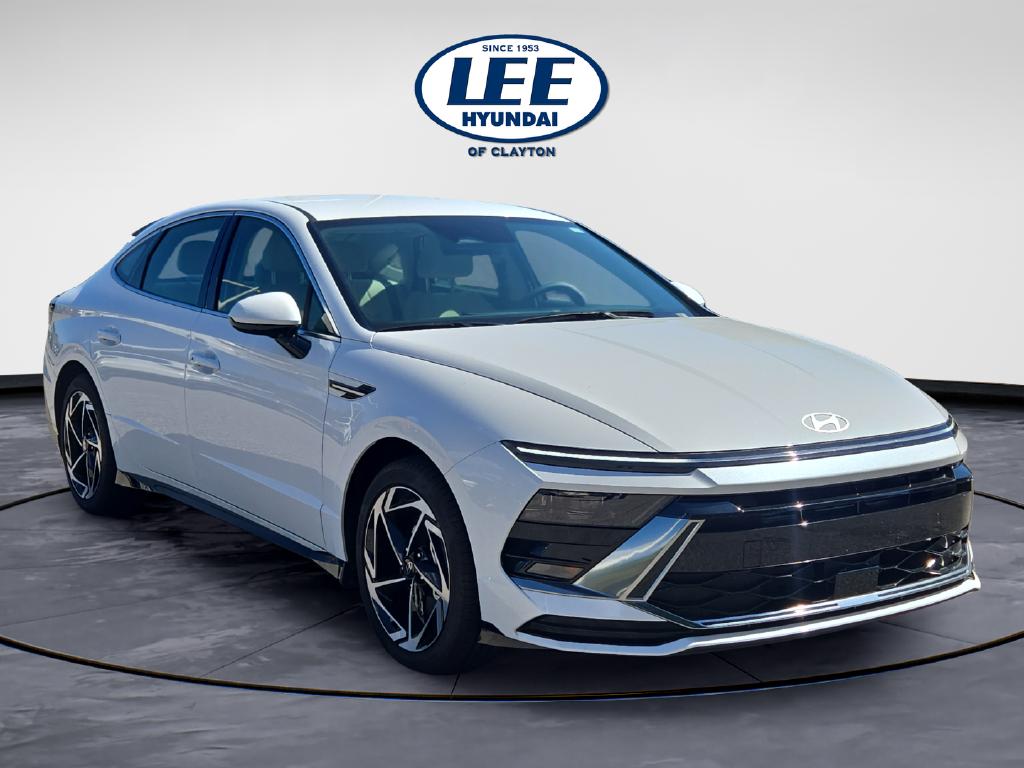
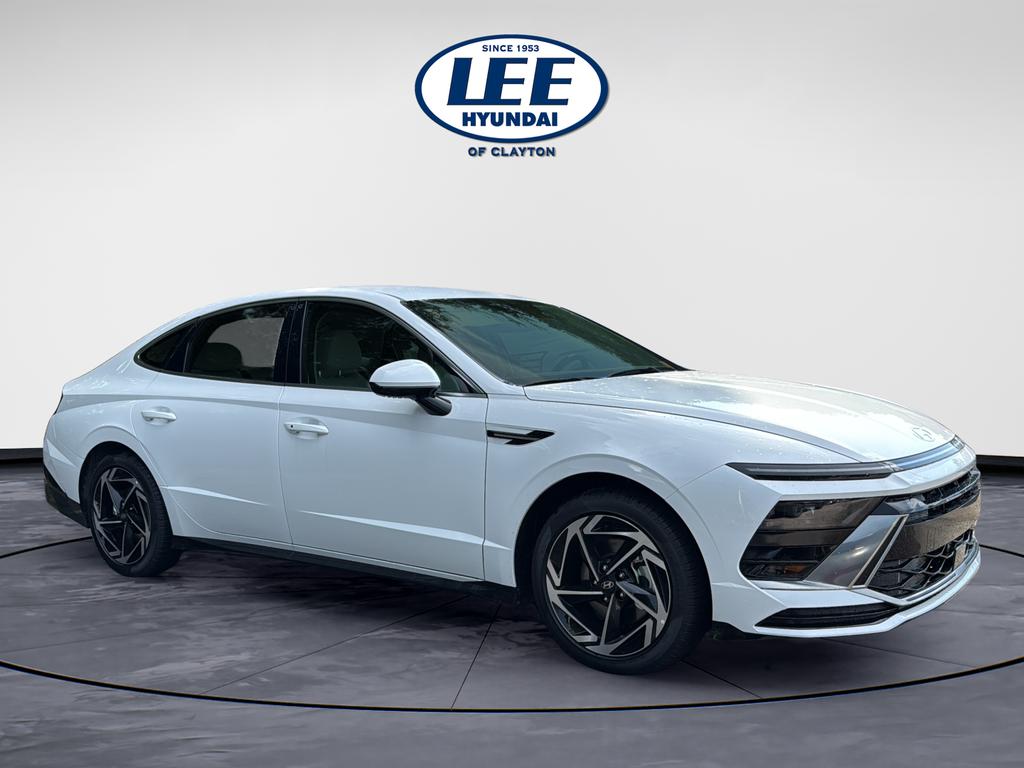
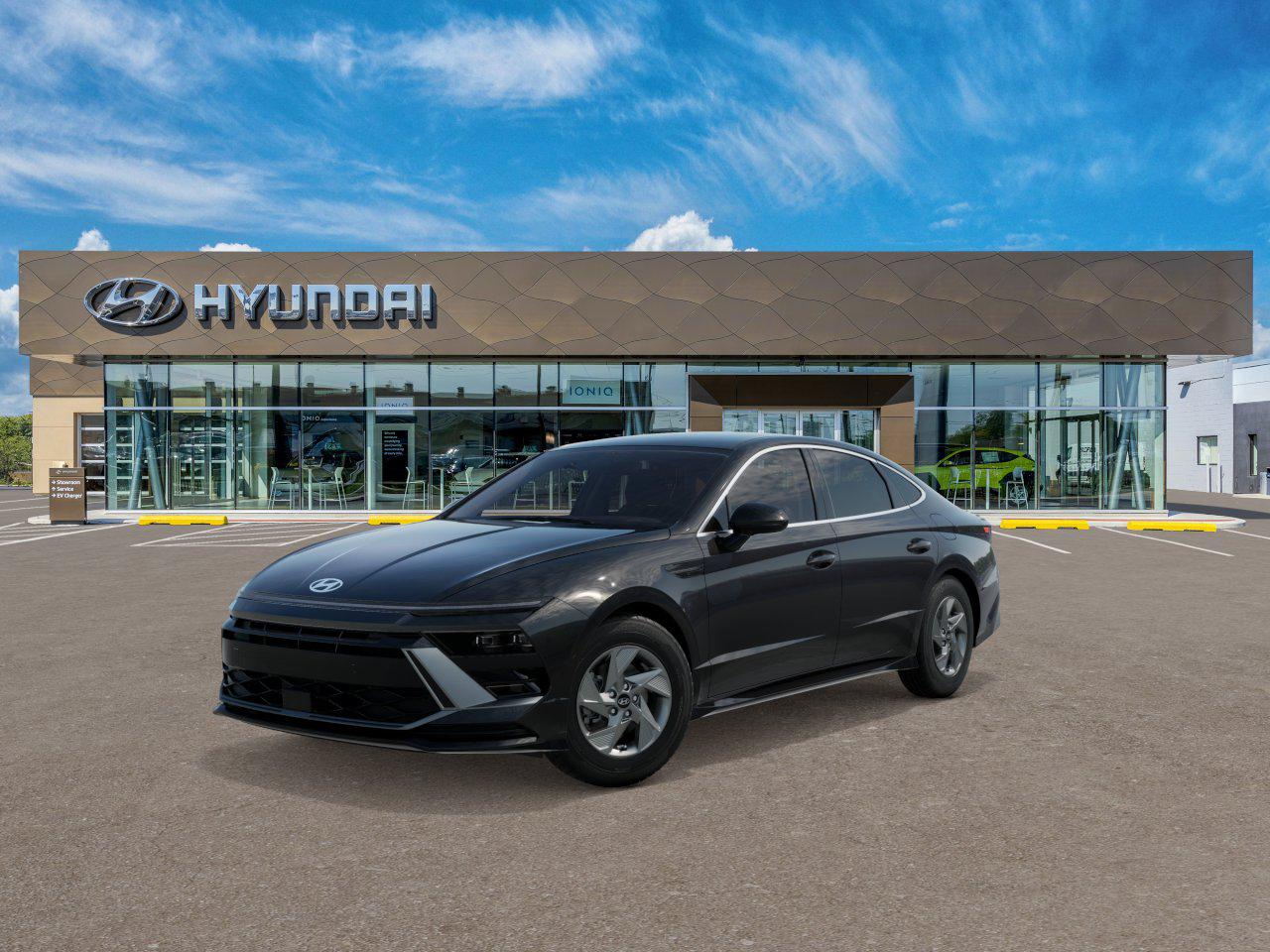
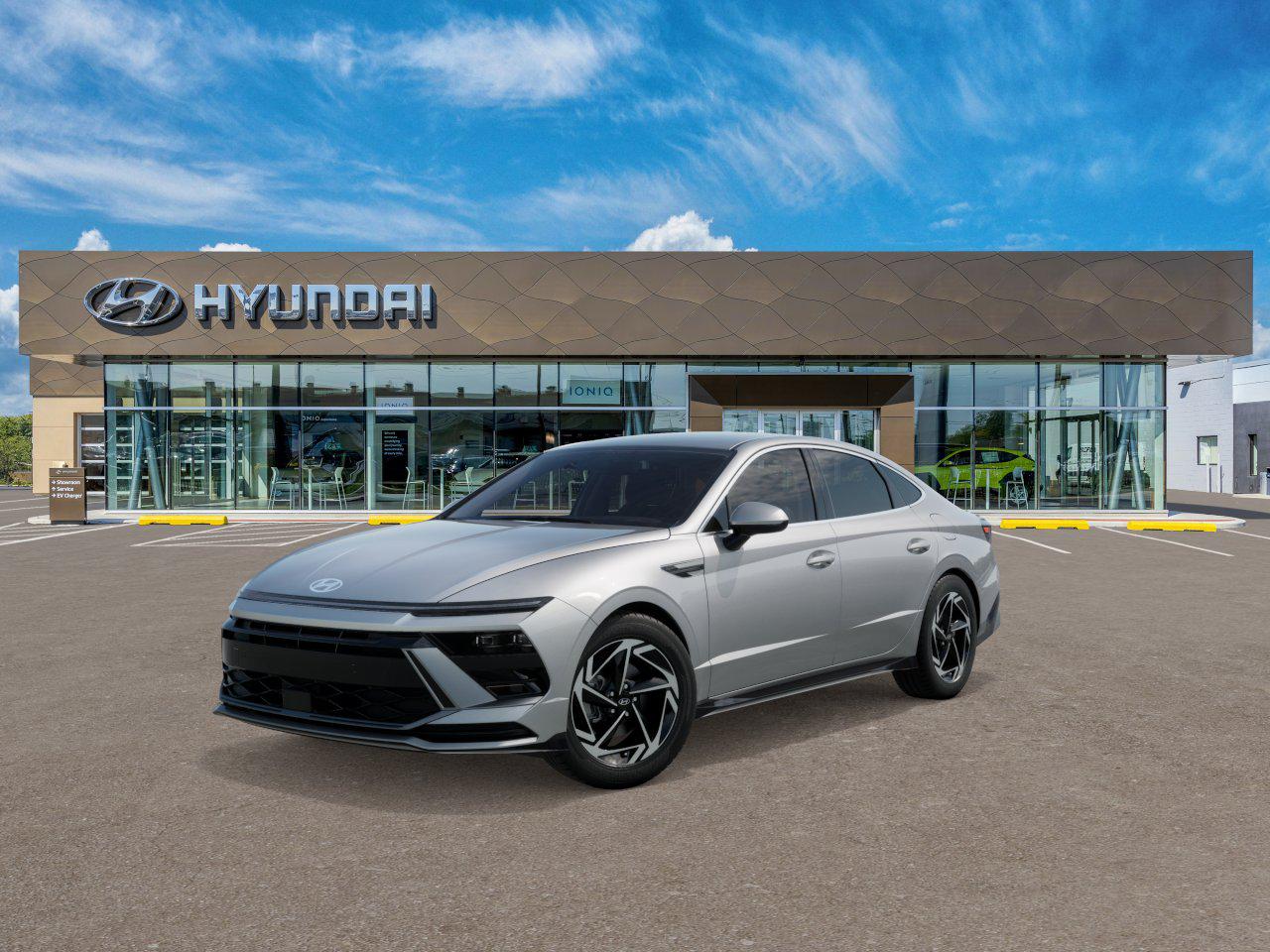
Nurses finishing a night rotation, plant crews changing over before sunrise and warehouse teams on a swing schedule share one thing in Lumberton: their commute happens while most neighbors sleep. The Sonata is a midsize sedan with a low, planted stance and a cabin designed to stay calm, qualities that matter more at the end of a long shift than at its start.
Shift work also scrambles the usual rhythm of owning a car. Errands, oil changes and even a test drive have to squeeze into odd windows between sleep and work. A car that asks little of you outside those windows, with familiar controls and straightforward upkeep, keeps ownership from becoming one more scheduling headache.
- Sit in the driver's seat long enough to find a posture you could hold while worn out, since fatigue exposes a poor seat far faster than a fresh morning does
- Check how quickly the climate controls cool or warm the cabin from a cold start, because a sedan parked through an overnight shift needs to recover fast
- Set the instrument display to a dimmer night setting if your version allows it, since a bright screen in a dark cabin strains already tired eyes
Many shift workers drive the same route both ways at very different hours, once in daylight traffic and once on empty streets. A sedan that feels composed in both settings lightens the mental load of the commute. The Sonata's lower seating position and settled ride tend to suit drivers who want the trip home to feel uneventful.
Odd hours make unusual demands on a daily car. Choose one that stays predictable when you are not at your sharpest.
Backup for the Tired Drive After Work
The riskiest part of a night shift can be the drive afterward. Hyundai offers driver-assistance features on many Sonata versions, such as alerts that notice drifting from a lane, warnings when attention appears to fade and automatic emergency braking. None of these replace a rested driver, yet they add a layer of help on the nights when fatigue creeps in.
Learn how each alert sounds and looks before relying on it. Our sales staff can show you where the settings live in the menus and how to adjust them, so the warnings feel helpful and not intrusive. Knowing what a chime means ahead of time keeps it from startling you at the end of a long shift.
- Share the commute with a coworker on the same rotation when you can, since a second driver or even a talkative passenger keeps attention sharper
- Ask whether the version you like adds blind-spot warnings, which help on a dim road when a vehicle sits just outside the reach of your mirrors
- Keep the cabin slightly cool on the way home, since a warm, silent car makes drowsiness worse after many hours spent on your feet
Fatigue safety guidance tends to repeat the same habits: a short nap before driving, caffeine taken early enough to work and no heavy meal right before the commute. Pair those habits with a sedan that tracks straight and quiet, and the late drive home in Lumberton becomes safer for you and everyone sharing the road.
Driver assistance is a backup, never a substitute for rest. Used alongside good habits, it can make the late drive home less of a gamble.
Lit Lots at UNC Health Southeastern and Robeson Community College
The regional hospital, UNC Health Southeastern, runs around the clock, and staff arriving for night rotations often park in large lots where visibility matters. Keyless entry, where equipped, lets you unlock only when you reach the door, and exterior lights that come on as you approach make the walk across a dark lot feel less exposed.
Robeson Community College draws many students who balance classes with shift jobs, sometimes heading straight from a late shift into a morning class. For them a quiet, comfortable cabin doubles as a break room, a place to eat a packed meal or review notes in the parking lot before walking in.
- Back into a space when you arrive for a night shift, so leaving in the dark later means pulling forward with a clear view and no blind reversing
- Hold the key fob on the walk across the lot, so the doors open as you reach the car and you are inside without fumbling for anything
- Note where the lot lighting is brightest when you start a new job, then aim for that area each night, which helps both visibility and personal safety
Both places see crowded turnovers, when one group pulls out as another arrives. A midsize sedan threads through packed aisles more easily than a large truck, and the rearview camera helps you spot pedestrians walking behind parked cars. Lee Hyundai of Fayetteville can point out which Sonata versions add parking sensors for tighter spaces.
Hospital and campus lots stay busy at every hour. A sedan that is easy to see out of makes each arrival and departure simpler.
Retiring a Worn Commuter Car
Many shift workers arrive in a high-mileage car that has started to worry them, with a sluggish start on cold mornings or a warning light that keeps returning. Those worries weigh heavier when you leave home at hours when help is hard to find. Lee Hyundai of Fayetteville appraises the current car during the same visit, so replacing it does not take two separate trips.
Plan the appointment for the hours after you have slept, not straight off a shift, when paperwork decisions are harder to think through. Carry in the title or the payoff information, the registration and every key. Mention any repairs you know about too, since an accurate picture keeps the appraisal moving without surprises.
- Write down when the warning lights or odd noises in your old car first appeared, because a clear timeline helps the appraiser understand its repair history
- Empty the glove box and door pockets of parking permits and work badges, which are easy to forget once the old car leaves your hands
- Arrange the test drive for the hour you normally head home, so you judge the Sonata in the same light and traffic you face after work
After a long shift, a car that starts every time removes a nagging worry from the walk to the lot. That confidence deserves weight alongside features when you compare versions. Shift workers in Lumberton often say the relief of trusting their car is the change they notice first.
Replacing an unreliable car is often the first step toward a calmer commute. Settle the trade in one visit and drive home in something you trust.
Service Visits That Fit a Rotating Schedule
Maintenance slides easily when your days and nights keep shifting. The Sonata follows the service schedule Hyundai lists in the owner's materials, and staying on it protects the car you rely on at odd hours. Ask our service advisors about drop-off options that line up with your sleep schedule, so a visit never cuts into rest.
Night driving leans hard on headlights and wipers, so ask for both to be checked at each visit. Clean headlight lenses and fresh wiper blades make a noticeable difference when you drive home through rain in the dark. Hazy lenses in particular dim the beam gradually, and many drivers never notice until the lenses are restored.
- Reserve your following appointment while still at the service desk, picking a slot in your next stretch of days off so it never collides with a shift
- Ask the advisor to check headlight aim whenever oncoming drivers keep flashing their high beams your way, since misaligned beams shrink what you can see at night
- Set phone reminders for oil changes based on the mileage your advisor gives you, because rotating schedules make it easy to lose track of the calendar
Lumberton shift workers often drive more miles than they realize, adding coverage shifts and overtime runs to the regular commute. A simple log in the glove box helps you and the service team see when the next visit is due. A well-kept Sonata stays dependable on the drives that matter most.
Dependable hours on the road come from service that fits around unpredictable hours at work. Plan the visits once, and the car keeps pace with your rotation.
Request a Sonata test drive through the contact page and name the hour that matches your rotation in Lumberton. Lee Hyundai of Fayetteville can then plan the drive for light and traffic like those on your real commute.