New Hyundai Palisade Hybrid for Sale in Lumberton, NC
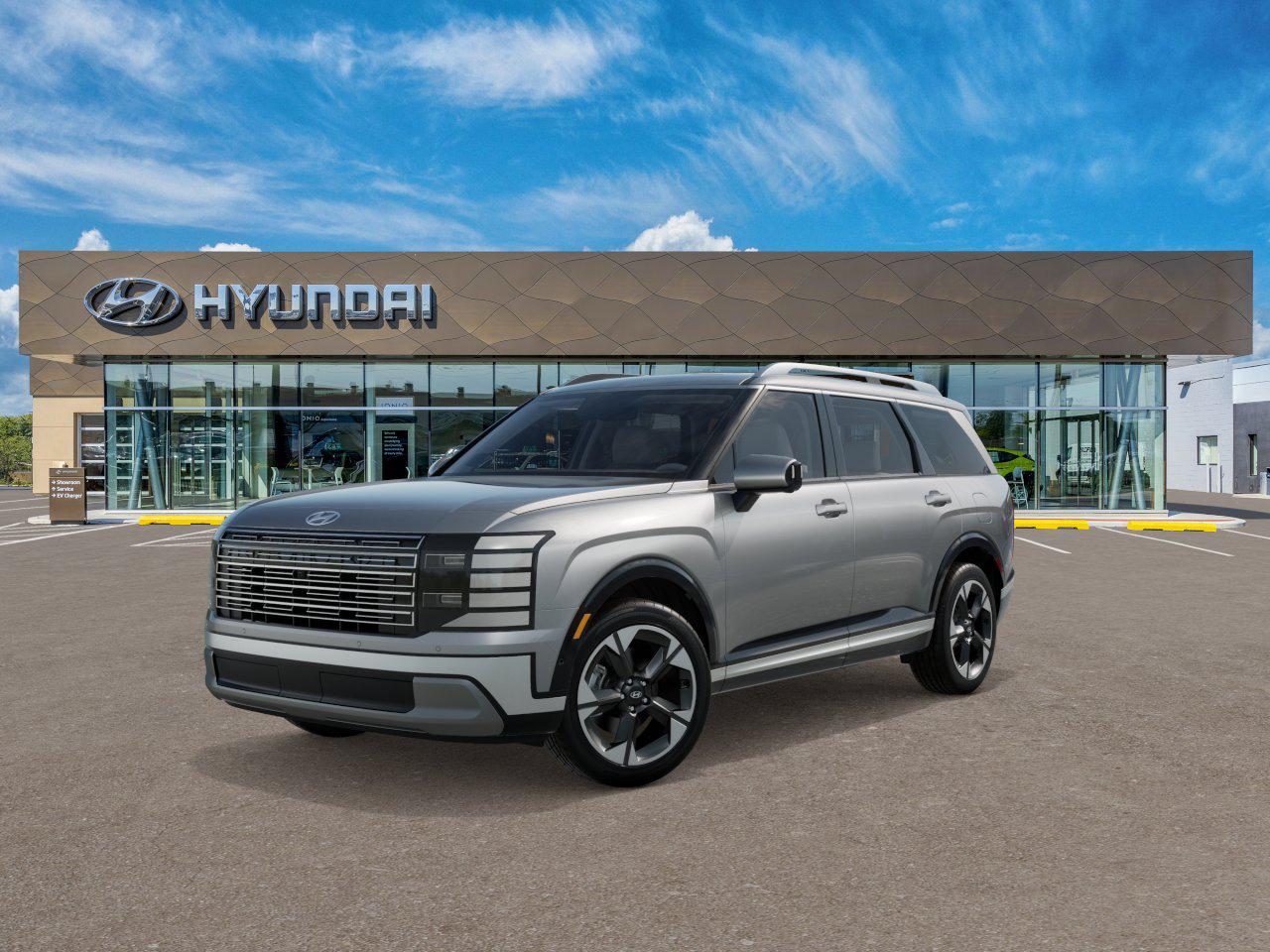
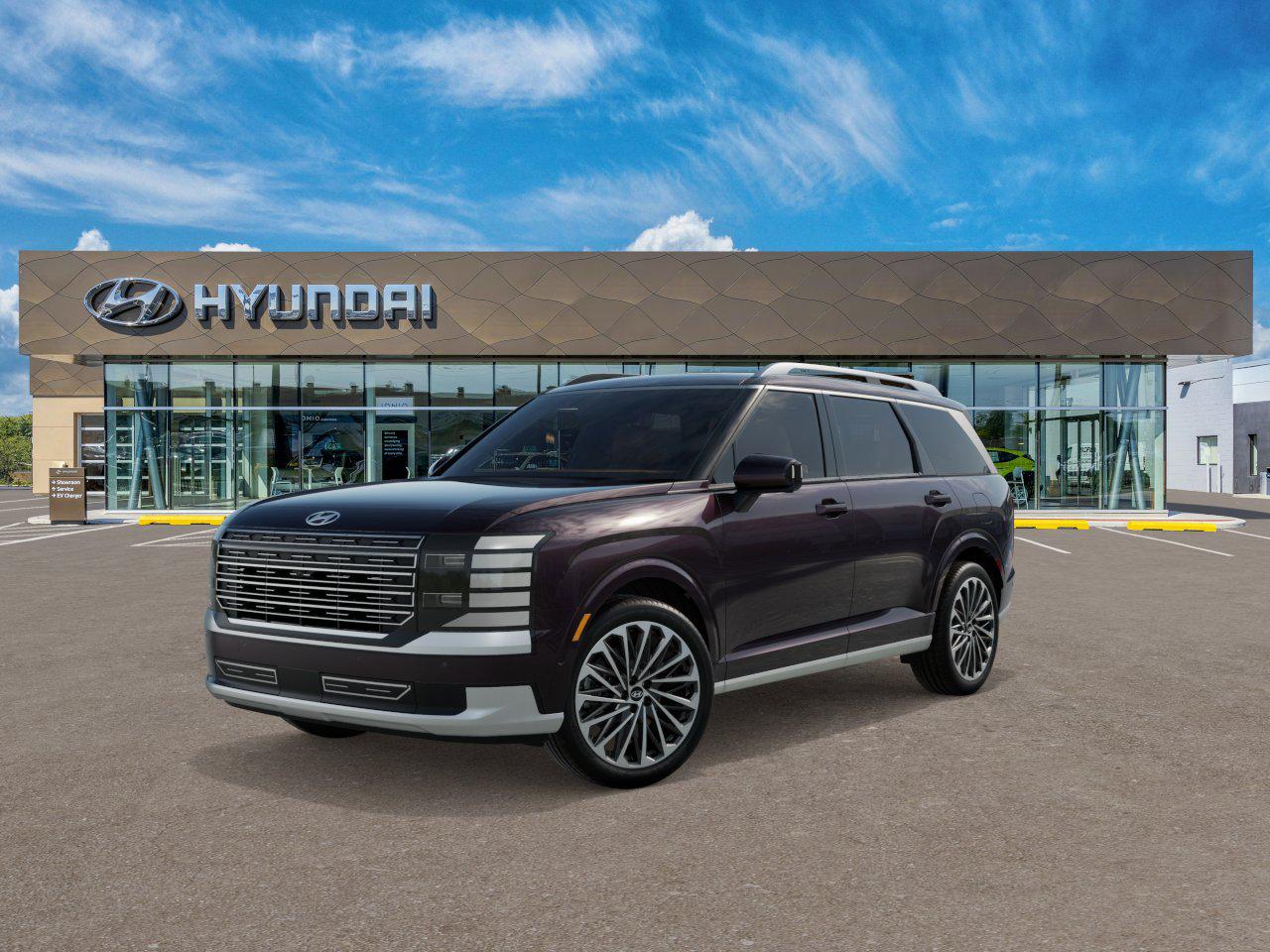
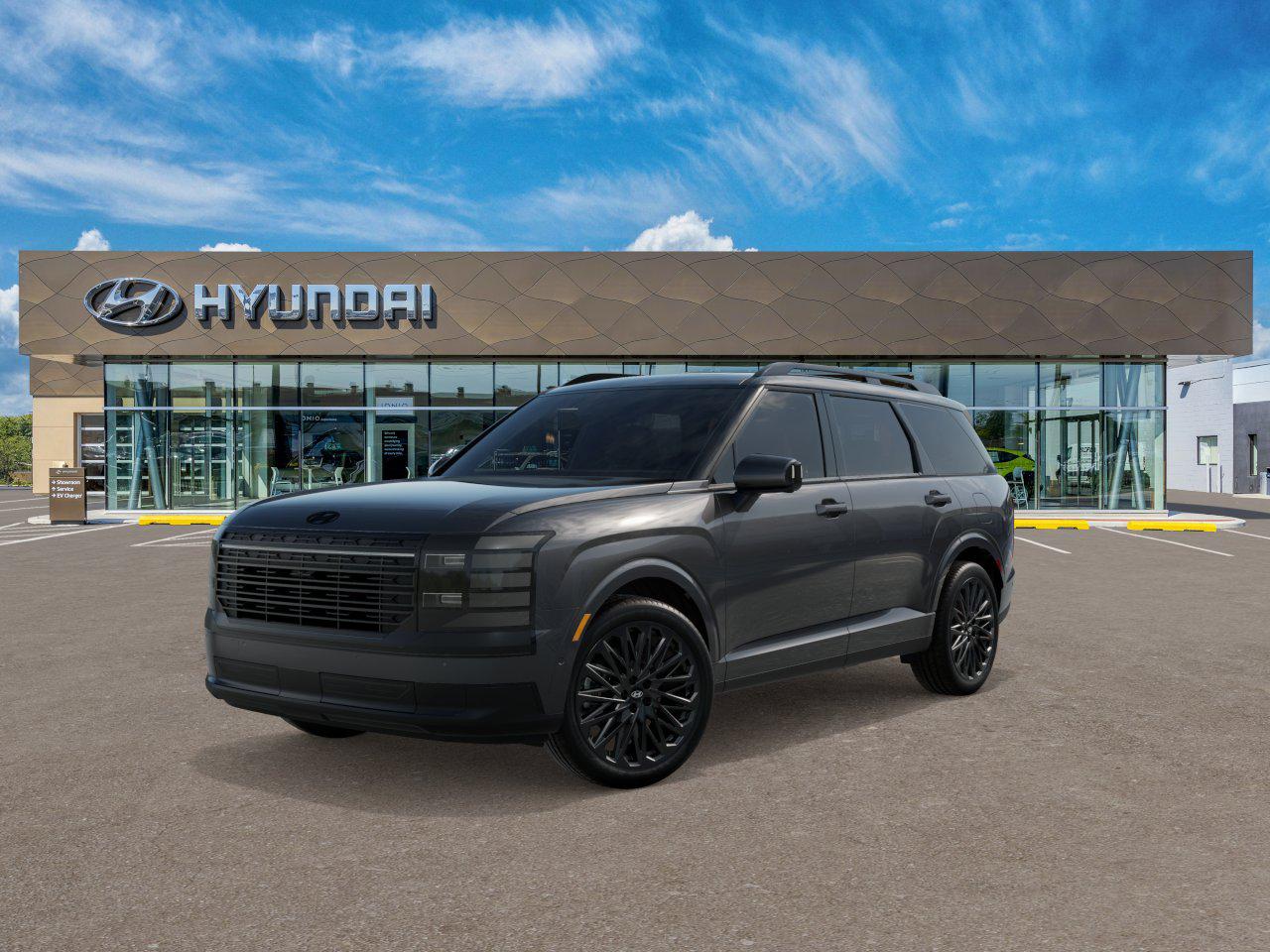
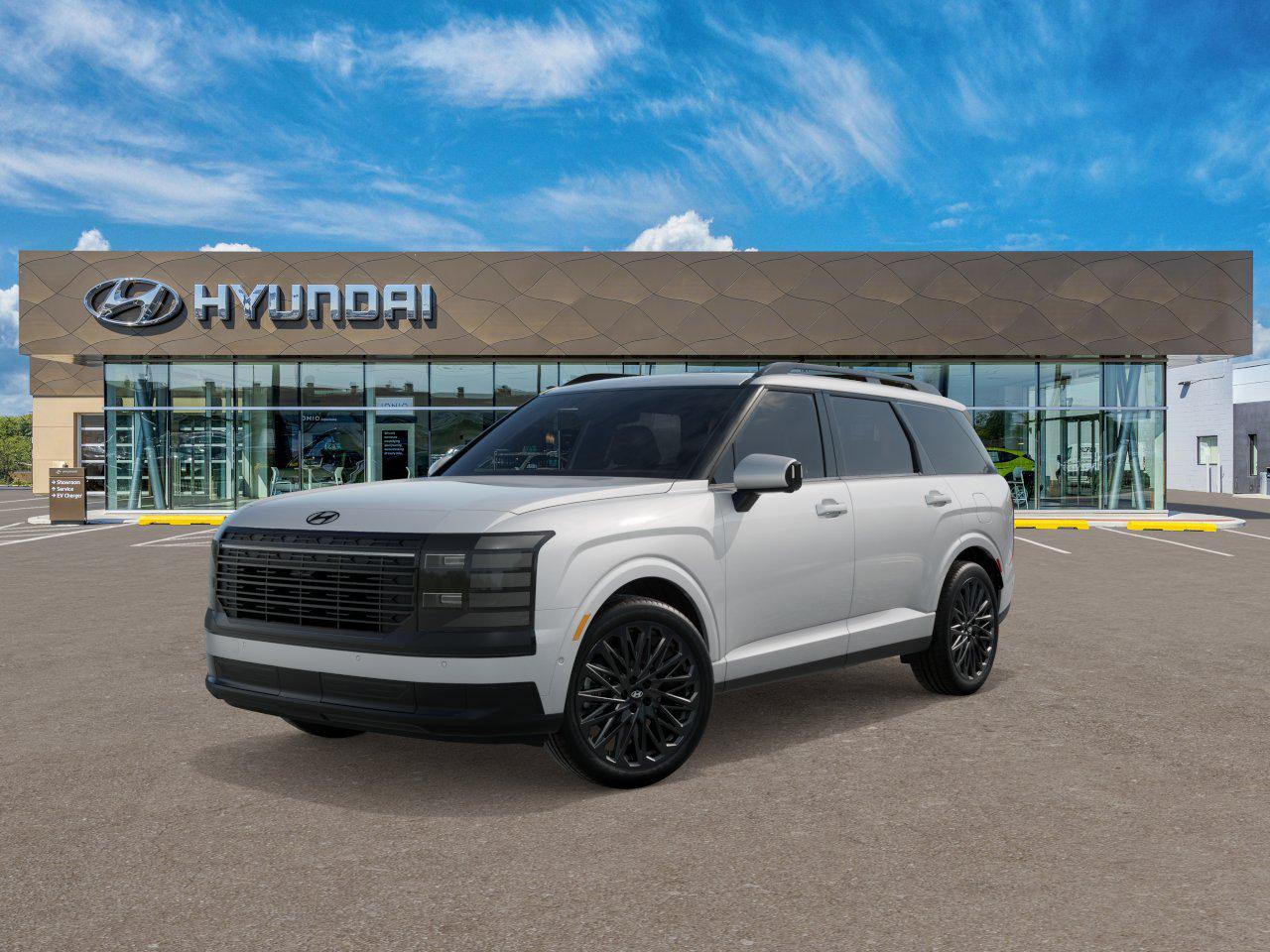
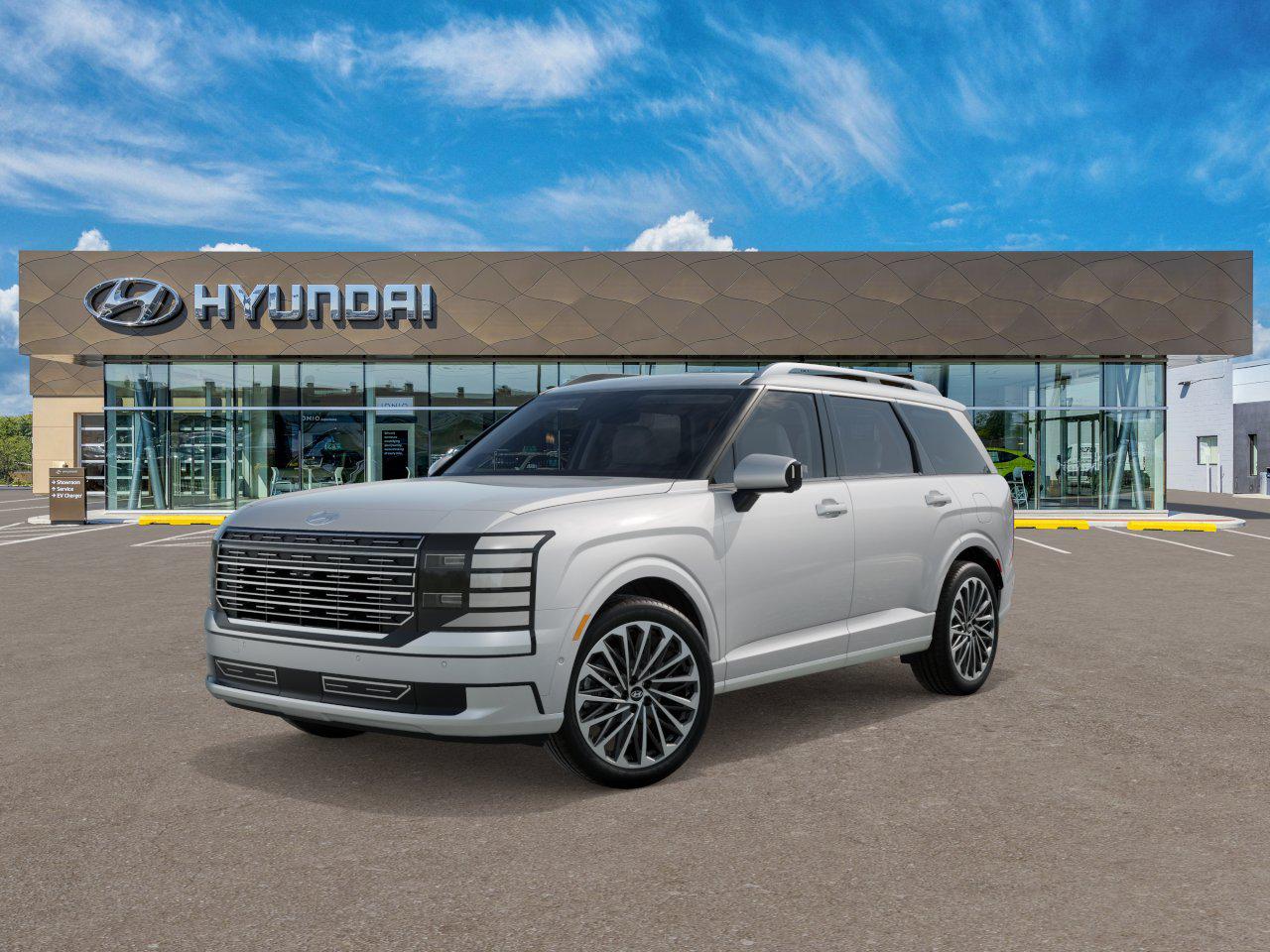
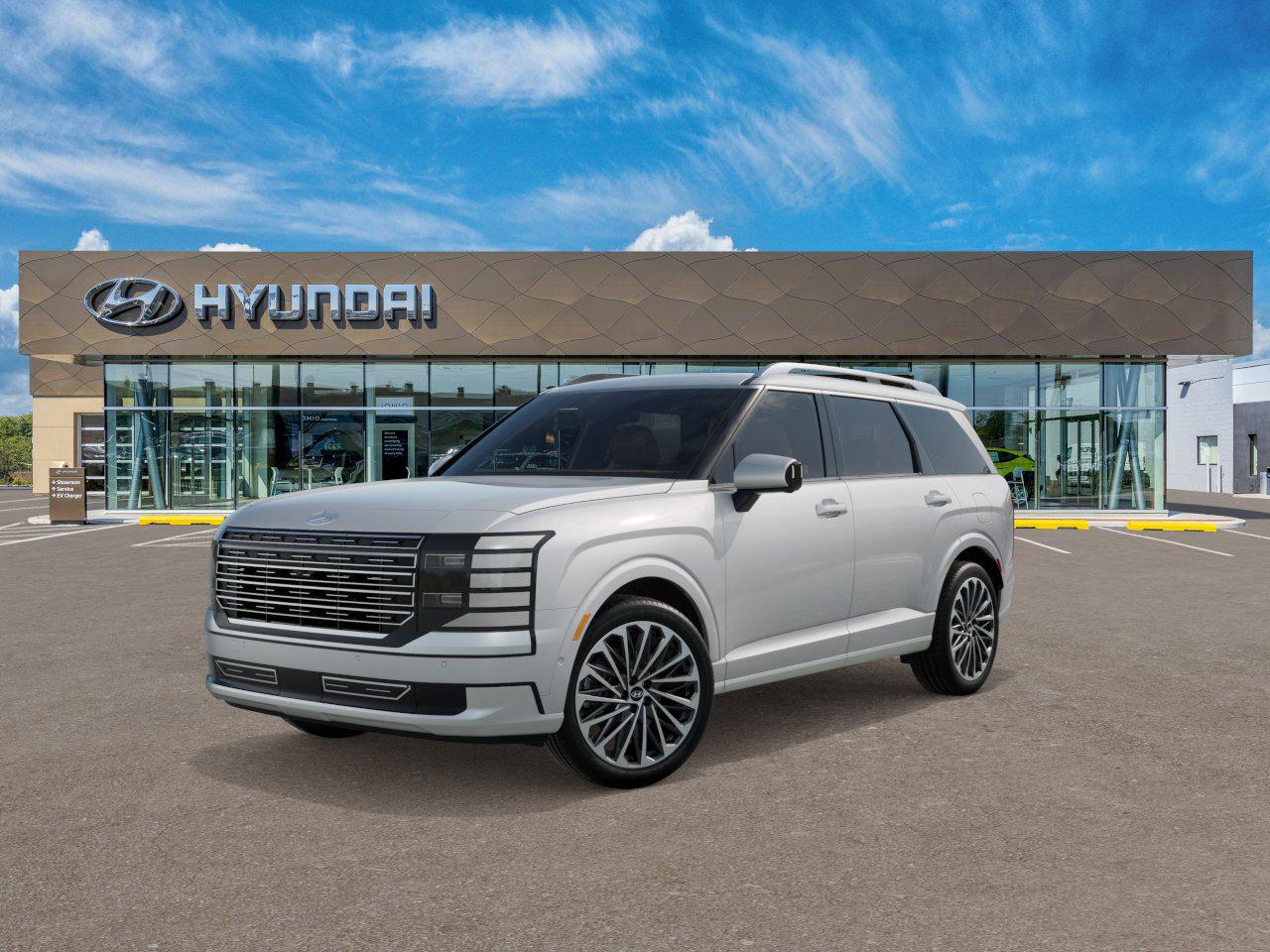
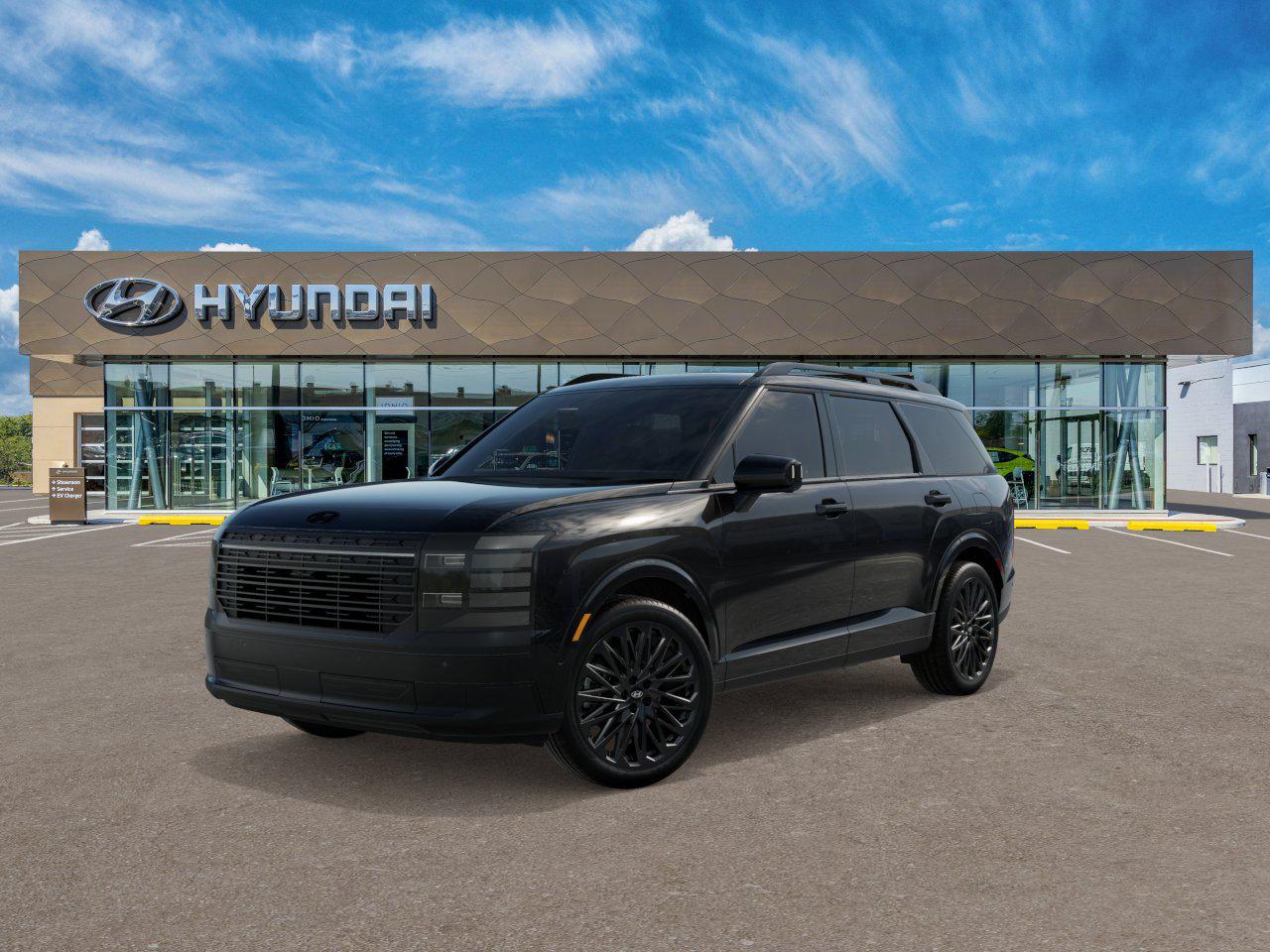
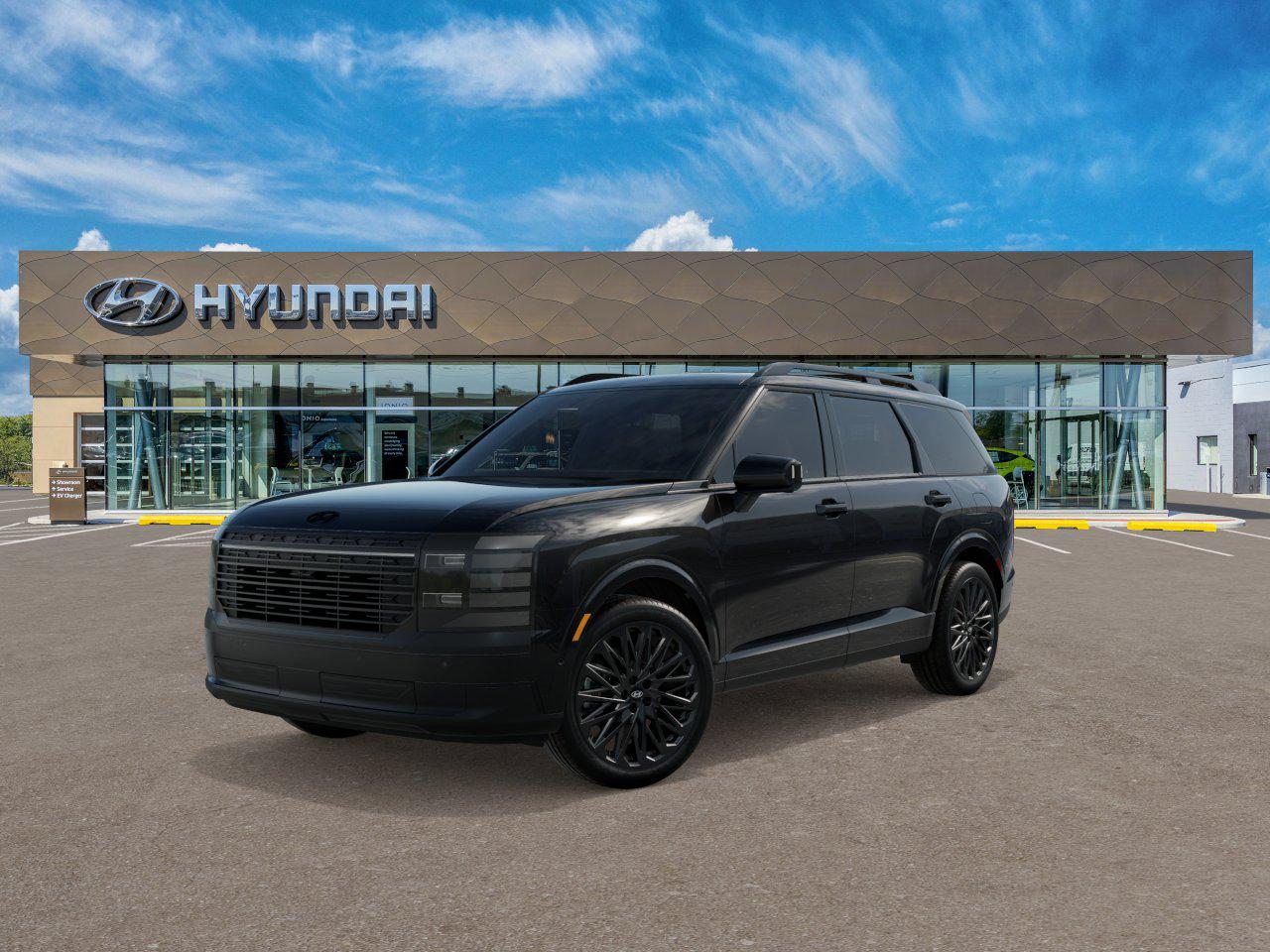
Frequently Asked Questions About New Hyundai Palisade Hybrid in Lumberton, NC
When does the hybrid Palisade make financial sense?
Where the annual distance is genuinely high, and especially where a good deal of it happens on longer journeys. Lighter users often fail to make the premium back. Give us your yearly figure and the arithmetic gets done alongside you honestly.
Does it drive differently from the standard Palisade?
Not in any way that requires adjustment. You fuel it the same, drive it the same and carry the same people. The difference is confined to consumption over a long run.
Is the interior space the same?
Identical in every respect that matters day to day. Same seating, same rows, same space behind the last of them. A household that has already settled on the Palisade gives up nothing at all by taking this version.
How much difference does it make on a long trip?
Enough to change how often you stop, which families on the road together often value above the fuel figure itself. On a single journey it is unremarkable. Across a year of regular trips it accumulates.
Would Lee Hyundai of Fayetteville recommend the standard version instead?
Frequently, yes, for households that drive modest distances locally. There is no advantage in paying extra for something your own pattern will not reward. We would sooner say that now.
Have Additional Questions?
The version question on a hybrid is genuinely worth working through, because the right answer depends entirely on how far somebody drives.
Send Lee Hyundai of Fayetteville your annual distance and the recommendation becomes specific over a general endorsement of efficiency.
We are equally happy pointing you at the standard vehicle.
A Large SUV That Covers Distance
Lumberton sits on one of the busiest travel corridors in the country and a lot of households here drive it regularly. Family further up or further down, work that involves travel, the annual run to the coast with everybody aboard. Distance is simply part of life for a lot of people here.
A large SUV covering that kind of ground consumes fuel in a way that gets noticed across a year. The hybrid version exists to soften that. You keep the space and you spend less getting it down the road, which is the entire proposition.
- Households on this corridor drive serious distance as a matter of routine, which changes the arithmetic on a large vehicle considerably, and it is why the case for this version is made in annual distance and nothing else.
- Keeping the space while spending less to move it down the road is the whole proposition, stated without any of the usual exaggeration, and it is a proposition that either fits your driving or plainly does not.
- The improvement is modest per journey and accumulates across a year, which is exactly why it suits high distance households and nobody else, which is why we ask about annual distance before anybody looks at a specification.
It is a modest improvement and not a transformation and anybody claiming otherwise is overselling. What it does is make a long distance habit less expensive to sustain. For households doing serious mileage that adds up quietly and consistently.
Tell us how much you actually drive and we will do the arithmetic honestly. Lee Hyundai of Fayetteville has no stake in which version you choose. The only outcome worth avoiding is a household paying extra for something its own driving will never repay.
Fewer Stops Across a Long Run
The practical difference on a long journey is how often you have to break it. Stopping for fuel with a full vehicle is not just the cost, it is the time, the unloading of children and the twenty minutes that never turns out to be twenty minutes. The stop itself is rarely the few minutes anybody planned for.
A vehicle that goes further between stops changes the shape of a long trip. Fewer interruptions, fewer negotiations about who needs what, and an arrival that happens earlier. Families who make the trip often rate this above the fuel saving itself.
- Fuel stops with a full vehicle rarely take the few minutes anybody plans for, particularly once somebody decides they need the restroom, and with a full vehicle those stops multiply in a way solo drivers forget.
- Holiday weekends turn every service plaza on the corridor into a queue, which is when the gap between fill ups stops being an abstraction, and anybody who has sat in one of those queues will recognize the description.
- Staying settled into a long drive is easier on the driver than restarting it repeatedly, which is a comfort argument instead of a financial one, and drivers feel that most on the second half of a long day behind the wheel.
It also makes the driving less fragmented, which matters for whoever is behind the wheel. Settling into a long run and staying settled is easier than restarting it repeatedly. That is a comfort argument as much as a financial one.
If your household travels long distances together, this is the version to look at. Lee Hyundai of Fayetteville can talk through what a typical trip would look like. That beats a general discussion of efficiency in the abstract.
Where the Advantage Shrinks
Honesty requires the other half of this. A household covering modest distances locally will see far less benefit, because the improvement is proportional to how much you drive. Low distance owners frequently never recover the difference.
There is also no advantage in buying this version for a vehicle that mostly sits. The system justifies itself through use. A Palisade doing short local trips is better served by the standard version and we will say so.
- Vehicles used mainly for short local trips never reach the conditions where this version pulls ahead, so the premium sits there unrecovered, which is a poor outcome for a household that was trying to be sensible.
- Resale on a hybrid version depends heavily on local demand, which is worth a conversation before assuming it will simply be higher, and demand for them varies noticeably between one part of the state and another.
- Steering a customer toward the cheaper option costs a little today and keeps somebody for years, which is a straightforwardly good trade, and it is the sort of trade that keeps a dealership in a town this size.
Lee Hyundai of Fayetteville would far sooner steer somebody to the cheaper option than sell them something clever that their own driving pattern will never reward. Those customers come back and the other kind quietly does not.
Be honest about your distances and the recommendation follows. Lee Hyundai of Fayetteville sells both versions and has no preference between them. What matters is that a household ends up with the one its own driving actually justifies.
The Rest of the Vehicle Is Unchanged
Nothing about the space, the seating or the practical capability differs from the standard Palisade. Three rows, a usable last row, a real load area behind it. If you have already decided you like the vehicle, this changes none of that.
Filling it and driving it work exactly as before. There is no new habit to learn and no adjustment period at all. That is deliberate, and it is much of the reason households pick a hybrid over anything more unfamiliar.
- Space, seating and capability are unchanged from the standard vehicle, so a household that already likes the Palisade loses nothing by choosing this, and the seats, the doors and the load area are exactly where you left them.
- Nothing about refueling, parking or loading changes, so moving across from a standard Palisade asks nothing new of the owner at any stage of ownership.
- Seating layout and interior trim are chosen exactly as they would be on the standard vehicle, which keeps two decisions from tangling together, so you settle the version question first and the equipment question entirely separately.
Versions vary in interior materials, seating layout, screens and driver assistance equipment, exactly as they do on the standard vehicle. The decision about specification is entirely separate from the decision about which version you want. Two separate decisions are easier apart than tangled together.
Look at the specification separately from the version question. Lee Hyundai of Fayetteville finds people conflate the two and confuse themselves unnecessarily. Settle which version your driving justifies, then choose the equipment you want on it.
Traveling the Corridor Out of Lumberton
Anybody who lives here knows what the corridor is like at holiday periods. Steady heavy traffic, long stretches at a constant pace, and journeys that take as long as they take. It is a specific kind of driving and it rewards a specific kind of vehicle.
Households running down toward the coast or up toward family do it several times a year, often with a full load. That is the pattern this version suits. The saving on any single trip is unremarkable and the annual total is not.
- Traffic on the corridor moves in long steady blocks instead of stop and start bursts, which is a distinct kind of driving in its own right, and that is a different demand on a vehicle from short urban running.
- Households making the coast run several times a year accumulate a total that looks quite different from any individual journey taken on its own, particularly once you count the trips nobody plans for at the start of a year.
- A household whose driving is mostly local falls outside this argument entirely, and saying so plainly is more useful to you than a general endorsement would be.
For a household whose driving stays mostly local, none of this applies and we will say so plainly. Lee Hyundai of Fayetteville has customers in both categories and the right answer genuinely differs between them.
If the corridor is part of your normal year, come and talk it through. Lee Hyundai of Fayetteville can be specific once we know your distances. Bring the family too, since the vehicle should be judged loaded and not empty.
The Palisade Hybrid suits households that cover ground and suits nobody else particularly well. Lee Hyundai of Fayetteville will help you work out which you are.