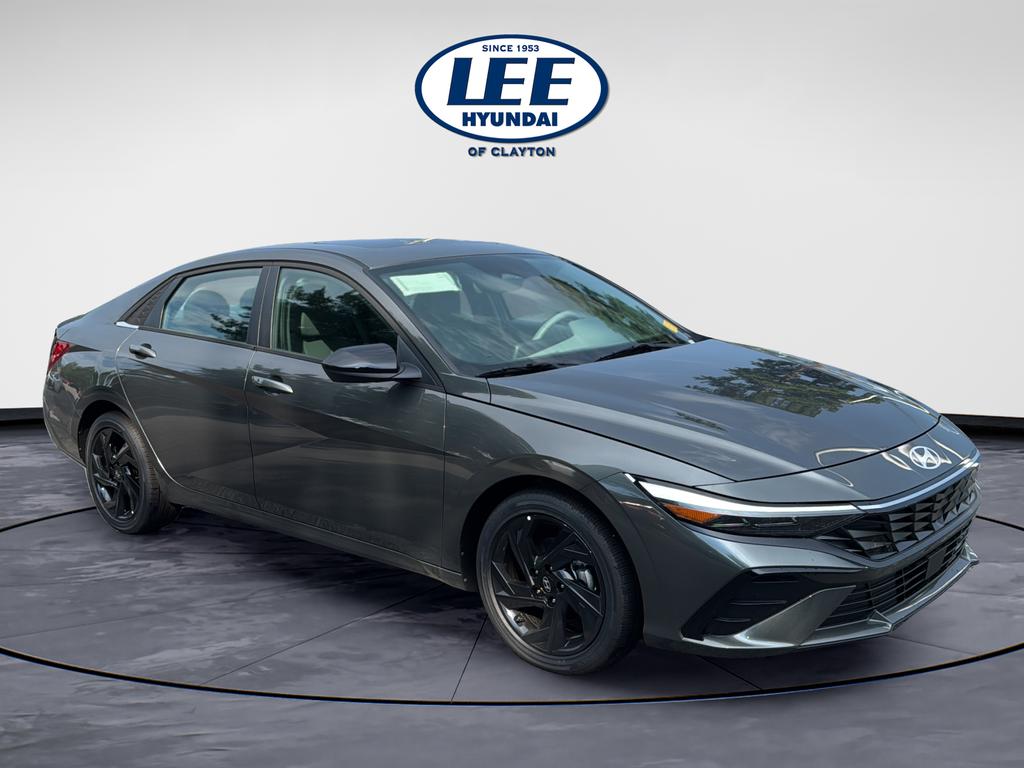
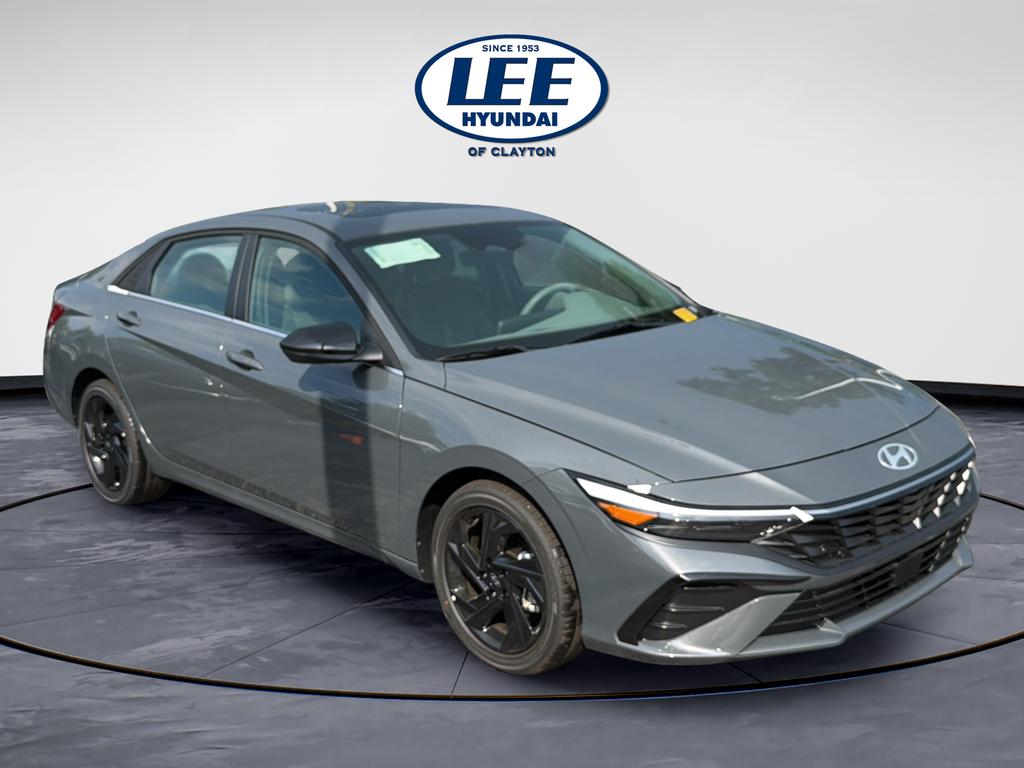
New Hyundai Elantra for Sale in Lumberton, NC
Frequently Asked Questions About New Hyundai Elantra in Lumberton, NC
How long do people typically keep an Elantra?
Considerably longer than the industry average, which is part of why running costs matter so much on this car. Owners frequently hold them for a decade or more. That makes the maintenance schedule more important than the purchase decision.
What does routine servicing involve?
Lubricants and filters at the published points, tires moved around on a regular cycle, stopping components inspected and a yearly look across the whole car. None of that is costly or out of the ordinary. You will get the intervals on paper at handover.
Is the rear seat big enough for adults?
More generous than the compact label implies, which catches out anybody who has not sat in one for a few years. Regular adult passengers in the back make this worth checking personally. Bring a tall passenger if that describes your household.
Do higher versions last longer than lower ones?
They do not. Longevity is identical across the range because the structure and running gear are common to all of them. What differs is equipment and finish, which is an entirely separate question.
Should I wait for a specific specification?
On something you plan to hold for many years, usually yes. A short wait weighs very little against that span of ownership. Say the specification you want and you will get realistic timing.
Have Additional Questions?
Questions about long ownership are different from questions about buying, and they get asked far less often than they should be.
Put yours to Lee Hyundai of Fayetteville and you will get answers based on what owners around here report after several years, not after several weeks.
We would sooner you bought once and kept it.
What a Compact Sedan Costs Across a Decade
Most people buy a car thinking about the purchase and then live with it for a very long time. The Elantra is bought and kept longer than almost anything else, which makes the years after the sale the part that actually matters. That is where the money goes.
Across a long ownership the costs are fuel, servicing, tires, insurance and the occasional repair. The purchase looms largest on the day and shrinks steadily in importance after that. A car that stays inexpensive to keep outlasts one that was merely inexpensive to buy.
- The purchase price dominates the day you sign and steadily loses importance across every year afterward, which is the reverse of how buyers weigh it when they are standing on a lot.
- Insurance and tires rarely appear in anybody's purchase arithmetic and reliably turn out to be two of the larger lines across a long ownership, and neither of them appears anywhere in a showroom conversation.
- Common parts and simple servicing keep a car in this class inexpensive for a very long time, provided nobody lets the published schedule slip too badly, and the schedule is the only thing standing between you and that.
Compact sedans do well on every one of those lines. The parts are common, the servicing is simple, the tires are inexpensive and the fuel figure is modest. Lee Hyundai of Fayetteville will go through the whole picture, not just the part that suits a sale.
Think about the decade ahead, not the afternoon in front of you. Lee Hyundai of Fayetteville would far sooner sell you something you keep happily for years than something you tire of quickly. Repeat customers are the entire business, and they come from purchases that aged well.
The Maintenance Schedule and Sticking to It
Every manufacturer publishes a schedule and most owners follow it loosely if at all. On a car built to last a long time, that slippage is the single largest avoidable cost. The intervals exist for a reason and the reason is arithmetic.
The routine itself is undemanding. Fluids and filters at the stated points, tires rotated regularly, brakes inspected, and somebody looking the whole car over once a year. None of it is expensive or unusual on a vehicle this size.
- Loose adherence to the published schedule is the largest avoidable cost across a long ownership, and almost nobody treats the intervals as though they mattered, which quietly makes the difference between a cheap car and an expensive one.
- Rotating tires regularly costs very little and prevents the uneven wear that quietly turns one set of tires into two across a few years, which is an entirely avoidable expense on a car of this size.
- Repairs that arrive early are usually repairs that were scheduled late, and the pattern is common enough across this class to be entirely predictable, and it is why the schedule is worth treating as a commitment.
What gets costly is catching up after neglect. A timing related repair, a set of tires worn unevenly because rotation slipped, a brake job that arrived early. All avoidable and all common. Lee Hyundai of Fayetteville will lay the intervals out plainly before you take the car.
Ask for the intervals in writing when you collect the car. Lee Hyundai of Fayetteville finds that owners who have the schedule somewhere visible actually follow it. The ones who follow it spend meaningfully less, which is the entire case stated briefly.
What the Elantra Gives You Day to Day
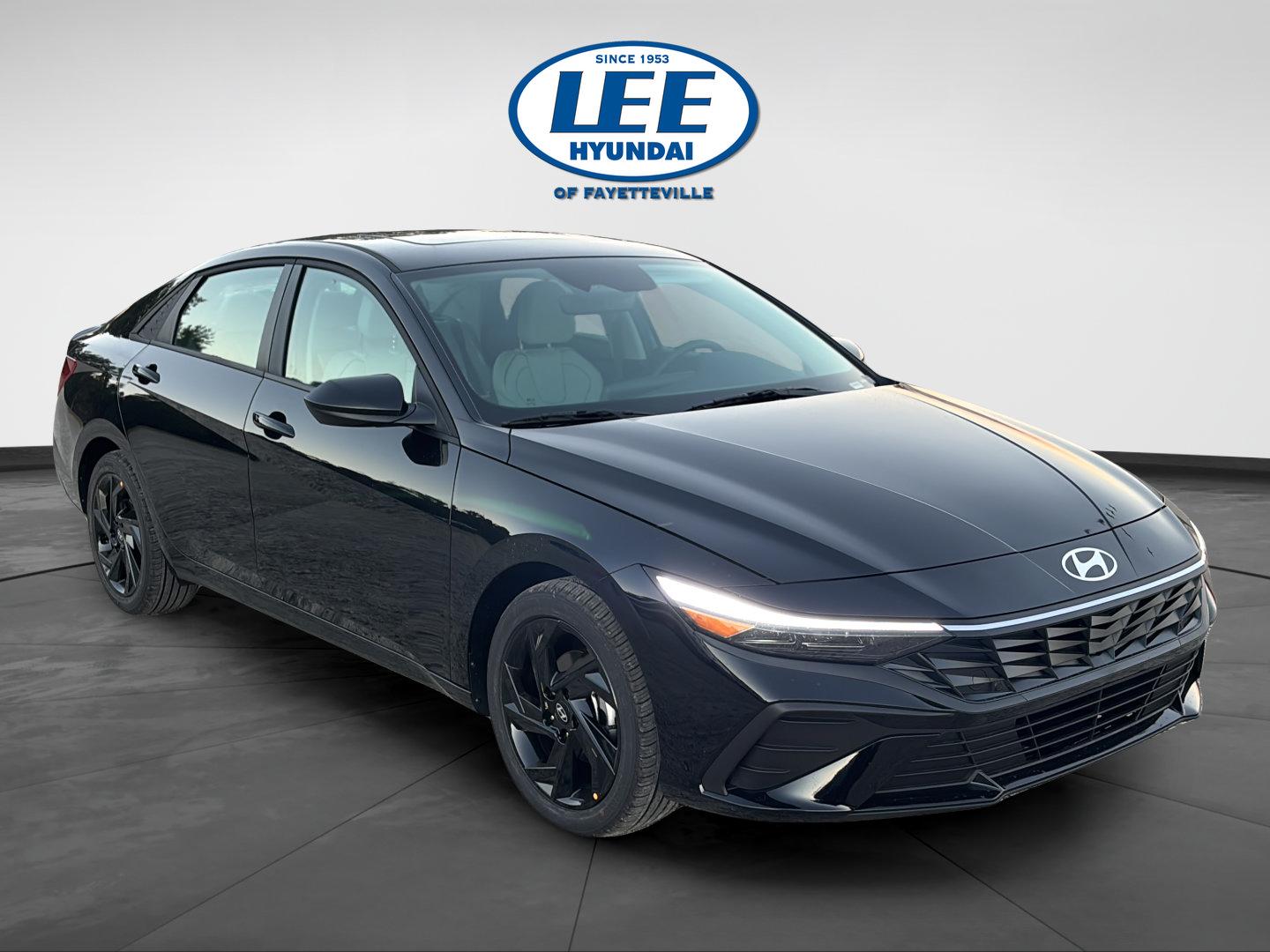
The cabin is larger than the compact label suggests, particularly across the rear seat, which matters for anybody regularly carrying adults. The trunk is a sensible shape instead of merely a large number. Both are things you notice in use and not on paper.
The driving position adjusts generously and the controls are placed so you can work them without looking away. On a car you will own for years, those small ergonomic decisions accumulate into something that either suits you or quietly annoys you daily. Both ends of that are personal and neither is wrong.
- Rear seat space is better than the compact label implies, which matters considerably for anybody who regularly carries people in the back and not luggage, and a tall passenger in the back will tell you within a mile.
- A trunk shaped sensibly beats a trunk with a larger published figure, because shape decides what actually fits where a printed number rarely tells you anything, and it is why bringing the awkward item along beats reading about it.
- Ergonomic decisions that seem trivial in a showroom become either comfortable or quietly irritating across the many years somebody spends behind the wheel.
Cabin noise is well controlled for the class, which becomes relevant on any journey longer than a few minutes. It is also the quality least visible in a brochure. Sitting in one while it is moving is the only way to form a view.
Sit in one for longer than feels natural before deciding. Lee Hyundai of Fayetteville has no objection to somebody spending twenty minutes adjusting a seat in a parked car. That is exactly the kind of thing a visit should be used for.
Versions and Which One Ages Well
Durability does not move with the badge on the trunk lid, because the structure is common to all of them. Trim changes what you sit on, what you look at and how much the car helps you drive. That is a comfort decision.
Something worth thinking about on a long ownership is which features you will still value in several years. Screens date, seat material wears, and the equipment you use daily earns its keep while the rest gathers dust. Most people over specify in the showroom.
- Longevity does not vary with the badge on the trunk lid, because the structure and the running gear are common to every version on sale, so a lower trim is every bit as durable as the one above it.
- Features you use daily justify themselves while the rest gathers dust, and telling the two apart in a showroom is harder than it sounds, and most people discover the answer only after a year of ownership.
- A car ordered to your own specification arrives without the compromises of somebody else's order, which matters more on something you keep for a decade, and the wait is short measured against that span of ownership.
Colors and combinations reach us at their own pace. Name what you want early and you will get a sober answer about timing. On a car destined to stay a decade, a few weeks of patience is a small price.
Choose for the person you will be in five years. Lee Hyundai of Fayetteville is happy to talk somebody out of equipment they will not use. That conversation loses us a little today and keeps a customer for considerably longer, which is a trade we will take.
Owning a Car in Robeson County
Driving here is a mix of town running and open county road, and neither punishes a compact sedan. Downtown Lumberton is easy enough to park in and the surrounding roads are comfortable at a steady pace. The car suits the place.
Households in this county tend to keep vehicles a long time, which is a sensible habit and one the arithmetic supports. A car bought carefully and maintained properly will outlast several rounds of somebody else changing every few years.
- Town running combined with open county road is a pattern that suits a compact sedan without asking it to do anything it was not designed for.
- Keeping a vehicle for a long time is a habit the arithmetic supports strongly, whatever the advertising around trading up every few years may quietly suggest.
- Households buying across generations tend to choose practically and maintain properly, which is exactly why those vehicles last the way that they do, and it is a pattern you can see in the cars parked around town.
Lee Hyundai of Fayetteville has sold to families here across multiple vehicles and generations, and the pattern is consistent. People buy something practical, look after it, and come back when it finally needs replacing. That is a good way to run a relationship.
If you are the sort of buyer who keeps a car, say so. Lee Hyundai of Fayetteville will point you at the version that suits that plan over the one with the longest feature list. Those are frequently different cars and the distinction matters.
An Elantra is a car to judge over years, not over an afternoon. Lee Hyundai of Fayetteville is happy to have that longer conversation whenever suits.